
The Ultimate Guide to Bird Spotting in Udawalawe National Park
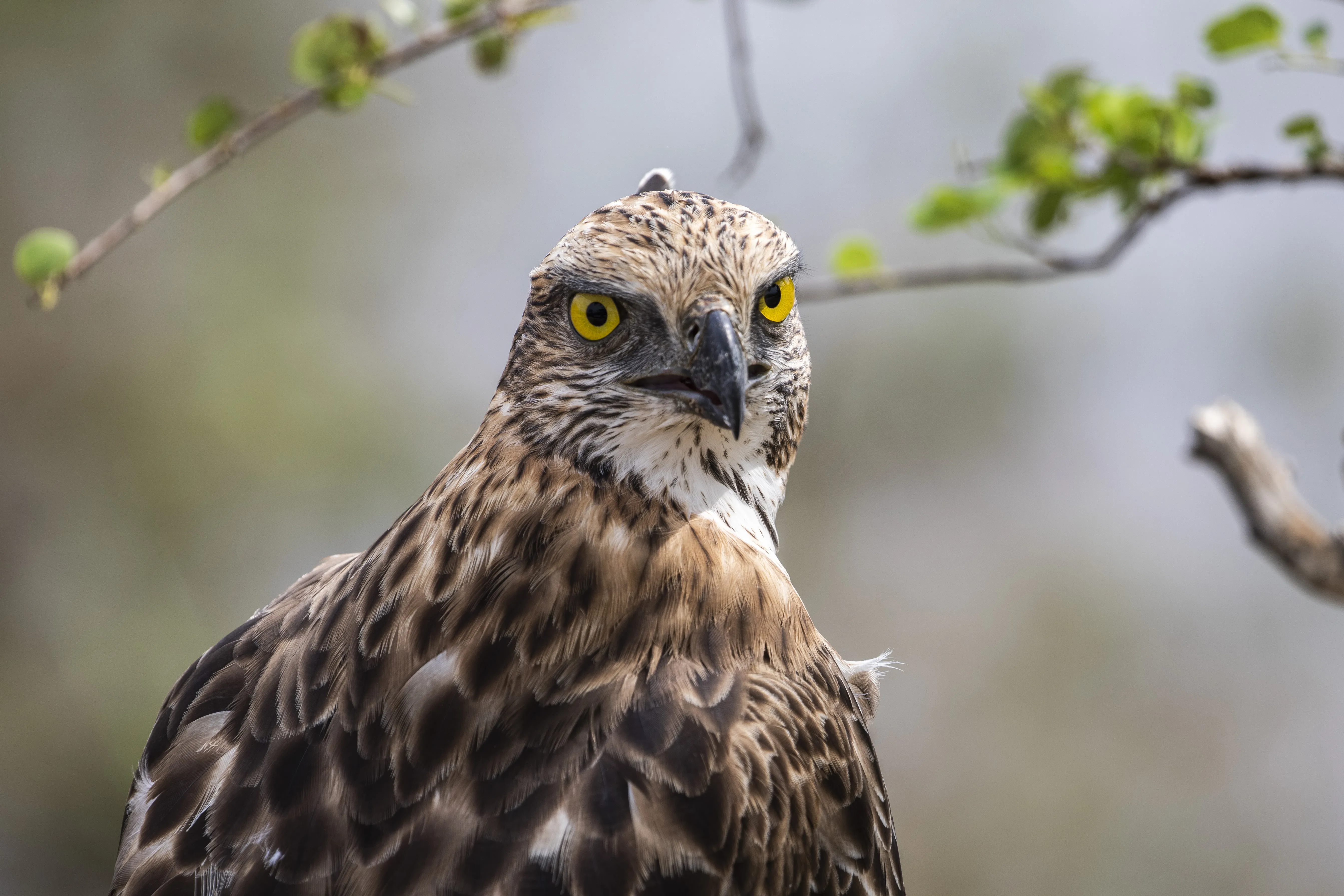
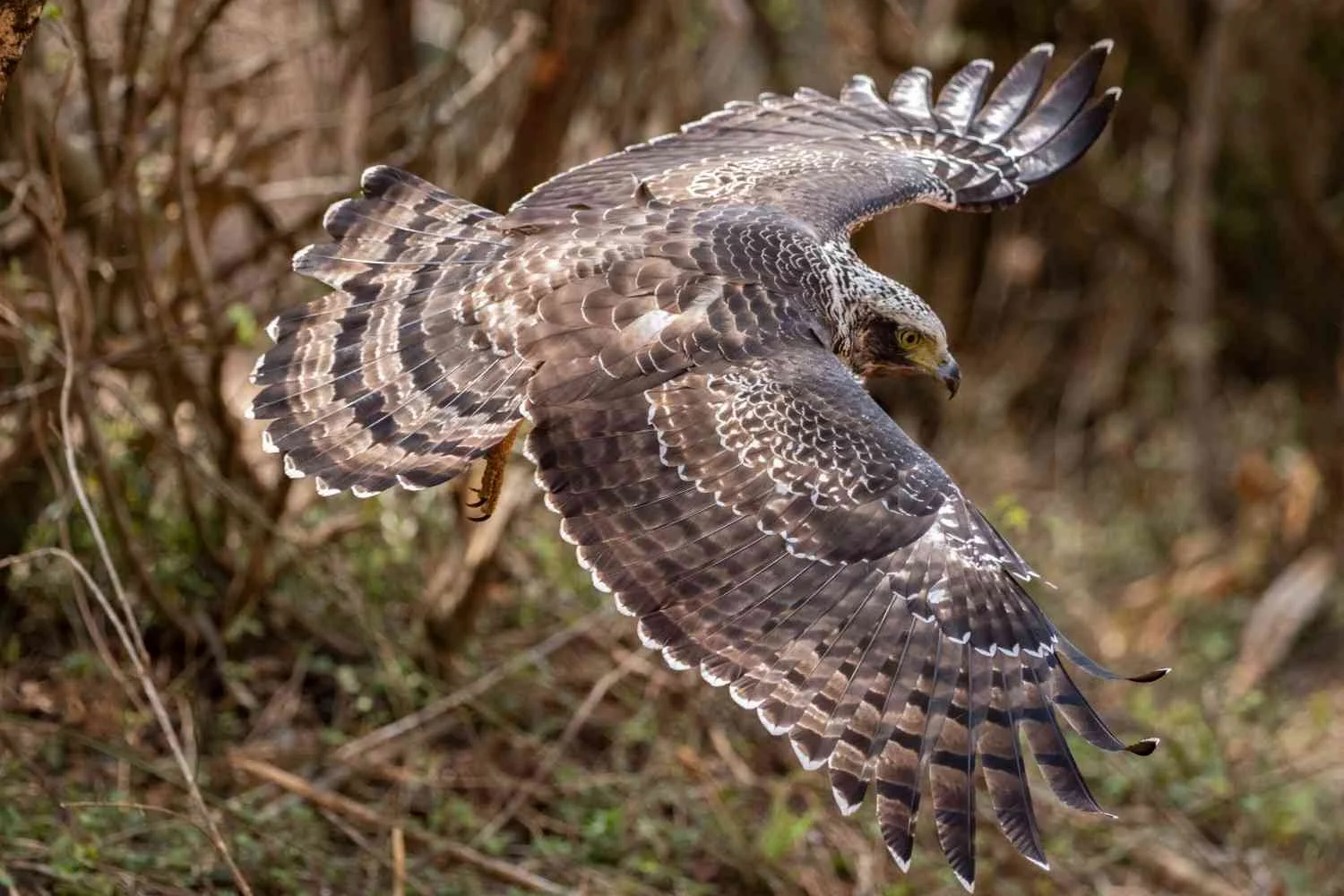
Sri Lanka is globally recognized as one of the premier biodiversity hotspots, boasting an incredibly rich array of flora and fauna. Among its natural treasures, the island's avian population stands out as a major attraction for travelers and wildlife enthusiasts alike. While many associate the island's national parks primarily with elephants and leopards, the opportunity for bird spotting is equally world-class. Among the country’s protected areas, Udawalawe National Park serves as an exceptional sanctuary where grasslands, wetlands, and scrub forests converge to create a haven for over 180 species of birds. Whether you are a seasoned ornithologist or a casual nature lover, a birding expedition in Udawalawe promises a spectacular display of colors, behaviors, and songs. Why Udawalawe is a Premier Destination for Bird Spotting Udawalawe National Park was established in 1972 to provide a sanctuary for wild animals displaced by the construction of the Udawalawe Reservoir on the Walawe River. Today, this vast reservoir, along with the surrounding marshes, seasonal wetlands, and open grasslands, provides a complex grid of ecosystems. This diverse habitat profile is precisely why bird spotting in Udawalawe is so rewarding. Unlike the dense rainforests of the wet zone, Udawalawe’s dry-zone landscape is characterized by open plains, thorny shrubs, and scattered forest canopy. This open vegetation dramatically increases visibility, making it much easier to observe birds in their natural behaviors without them being obscured by dense foliage. Furthermore, the massive reservoir attracts a high concentration of waterbirds, while the grasslands host numerous ground-nesting birds, and the riverine forests along the Walawe River provide nesting sites for large raptors. This unique combination of water, open ground, and forest canopy means that within a single 3-hour morning or afternoon tour, visitors can spot a vast array of species spanning multiple families, from tiny sunbirds to majestic birds of prey. Iconic Bird Species to Spot in Udawalawe When embarking on a safari, having a checklist of target species can make your journey even more exciting. The park hosts a mix of endemic species (found only in Sri Lanka), resident breeders, and seasonal migrants that arrive to escape the harsh northern winter. Here are some of the most iconic birds you should look out for during your next visit: 1. Endemic Birds of Sri Lanka For serious birders, spotting endemics is the ultimate goal. Sri Lanka boasts 34 endemic bird species, and Udawalawe is home to several of them. Keep your binoculars ready for these local specialties: Sri Lanka Junglefowl (Gallus lafayettii): The national bird of Sri Lanka. With its vibrant orange-red plumage and yellow facial wattle, the male Junglefowl is a stunning sight as it struts along the park's sandy tracks in the early morning. Sri Lanka Grey Hornbill (Ocyceros gingalensis): Easily recognized by its curved grey beak, long tail, and distinct cackling call. These birds are often spotted in pairs in the taller trees along the riverbanks. Sri Lanka Swallow (Hirundo hyperythra): Featuring a beautiful rust-colored underbelly, these birds are frequently seen darting gracefully over the grasslands and open plains in search of insects. Sri Lanka Woodshrike (Tephrodornis affinis): A small, active forest bird with a distinct white supercilium (eyebrow) that builds neat, cup-like nests covered in cobwebs on tree branches. 2. Majestic Raptors and Birds of Prey Udawalawe’s open plains and thermal air currents make it an ideal hunting ground for various birds of prey. Seeing these powerful predators in action is a highlight of any bird watching safari: Crested Serpent Eagle (Spilornis cheela): A large raptor with a distinctive black-and-white speckled crest. They are often seen perched motionlessly on high branches, scanning the ground below for snakes and lizards. White-bellied Sea Eagle (Haliaeetus leucogaster): A magnificent bird with a massive wingspan, often seen soaring over the Udawalawe Reservoir or diving at high speeds to catch fish from the water's surface. Changeable Hawk-Eagle (Nisaetus cirrhatus): Known for its highly variable plumage, this raptor is a skilled hunter of small mammals, birds, and reptiles in the scrub forest. Grey-headed Fish Eagle (Haliaeetus ichthyaetus): Commonly seen perched on dead trees protruding from the reservoir, patiently waiting for an opportunity to swoop down on its prey. 3. Colorful Forest and Scrub Birds Adding a splash of color to the dusty scrublands are the park's vibrant smaller residents. These active species are a delight to photograph: Malabar Pied Hornbill (Anthracoceros coronatus): With its large, black-and-yellow casque (helmet-like structure on the beak) and striking black-and-white plumage, this bird is a favorite among visitors. They feed on wild figs and are highly vocal. Blue-tailed Bee-eater (Merops philippinus): These slender, colorful birds are master aerial acrobats. They perch on low branches, dive-bombing to catch flying insects before returning to their perch to consume them. Indian Peafowl (Pavo cristatus): While common, the sight of a male peacock displaying its magnificent train of feathers during the breeding season is a breathtaking spectacle that never fails to impress. Orange-breasted Green Pigeon (Treron bicinctus): Well-camouflaged in the leafy canopy, these beautiful birds feed on ripe berries and figs in the forested patches of the park. 4. Abundant Waterbirds and Waders The vast network of water bodies inside Udawalawe supports a huge population of aquatic birds. The reservoir shores are often bustling with life: Painted Stork (Mycteria leucocephala): A large wading bird with a yellowish bill and pinkish feathers near the tail. They walk slowly through the shallow waters, sweeping their open beaks side to side to catch fish. Spot-billed Pelican (Pelecanus philippensis): These large birds can be seen swimming in groups, cooperatively herding fish into the shallows before scooping them up in their massive throat pouches. Little Cormorant (Microcarbo niger): A common sight along the water's edge, often seen perched on rocks with their wings spread wide to dry after a diving expedition. Black-headed Ibis (Threskiornis melanocephalus): Easily identified by their pure white bodies and contrasting naked black heads and necks, feeding in the muddy margins of the reservoir. The Impact of Seasons on Bird Spotting While Udawalawe offers excellent birding opportunities year-round, understanding the seasonal patterns can help you plan the ultimate trip. The bird population in the park varies significantly between the migratory and non-migratory seasons. The **migratory season** runs from October to April. During these months, northern Hemisphere birds escape the freezing temperatures of Siberia, Central Asia, and Europe by traveling along the Central Asian Flyway to overwinter in Sri Lanka. This period brings an influx of winter visitors, including the Indian Pitta, Asian Paradise Flycatcher, Barn Swallow, and various species of warblers, waders, and sandpipers. The park’s water bodies fill up during the monsoon rains, attracting thousands of migratory ducks and shorebirds. If your primary goal is to maximize the number of species on your checklist, booking your safari between November and March is highly recommended. The **breeding season** for resident species typically begins around May and lasts until September. This is the dry season in Udawalawe, and water sources begin to shrink. As water levels drop, birds and other wildlife gather around the remaining water holes and the main reservoir, creating concentrated viewing opportunities. Additionally, many resident birds, such as the Indian Peafowl and bee-eaters, display vibrant courtship rituals and build nests during this time, offering fascinating behavioral insights for patient observers. How to Choose the Best Safari Package for Birding A successful bird watching experience requires time, patience, and a slower pace compared to standard game drives. When booking your tour, it is crucial to choose a package that gives you ample time to observe and photograph your subjects. At Walawa Safari, we offer specialized itineraries designed to meet the needs of nature lovers and photographers: 3-Hour Safari: Best for a quick introduction to the park's wildlife. While you will see many species, this option is fast-paced. Discover more details on our 3-hour safari package page. Half-Day Safari: A 6-hour tour that allows you to venture deeper into the park during the optimal morning hours (6:00 AM to 12:00 PM) or late afternoon. This package provides the extra time needed to wait for elusive species to emerge. Check out our half-day safari package. Full-Day Safari: The ultimate birding experience. Spend 12 full hours in the park, from sunrise to sunset. This package allows you to visit remote water holes and riverine forests where fewer tourists go. It also includes a picnic lunch by the Walawe River, providing a relaxing break in the heart of nature. Read more on our full-day safari package page. For dedicated bird watchers, we highly recommend the Half-Day or Full-Day options to ensure you are not rushed. You can easily book your preferred tour through our online Udawalawe safari booking page to guarantee availability with our top-rated guides. Essential Tips for a Successful Bird Spotting Safari To make the most of your bird watching adventure in Udawalawe, keep these practical tips in mind: Go Early in the Morning: Birds are most active immediately after sunrise (between 6:00 AM and 8:30 AM) when they forage for food and call out to mark their territories. A morning safari is the absolute best time for birding. Hire an Expert Naturalist: Spotting camouflaged birds in the thickets requires trained eyes and ears. The team at Walawa Safari consists of local guides who can identify birds by their calls and know their favorite nesting and feeding sites. Bring the Right Gear: A good pair of binoculars (8x42 or 10x42) is essential. For photography, a telephoto lens of at least 300mm (preferably 400mm or 500mm) is necessary to capture detailed close-ups without disturbing the birds. Dress in Neutral Colors: Avoid bright colors like red, yellow, or white, which can startle birds and cause them to fly away. Instead, opt for khaki, green, brown, or grey clothing that blends into the natural surroundings. Maintain Silence: Loud noises will instantly clear the branches of any nearby birds. Speak in whispers and keep your camera’s shutter mode quiet if possible. Ethical Birding and Conservation At Walawa Safari, we are deeply committed to ethical tourism and wildlife conservation. When participating in bird spotting, it is vital to respect the animals' space. We strictly adhere to the guidelines set by the Department of Wildlife Conservation, ensuring our jeeps maintain a safe distance from nesting sites and waterbird feeding grounds. We do not use call playback (broadcasting recorded bird calls to attract birds), as this disrupts their natural breeding and territorial behaviors. By booking with an ethical operator, you contribute directly to the preservation of Udawalawe's fragile ecosystems for generations to come. Plan Your Udawalawe Birding Safari Today Udawalawe National Park is a spectacular destination that offers some of the finest bird spotting opportunities in Asia. From the metallic gleam of sunbirds to the silent glide of majestic eagles, every turn of the track reveals something new. Ready to embark on your wildlife adventure? Browse our complete list of Udawalawe safari packages or contact Walawa Safari today to customize a private birding itinerary with our expert naturalist guides. Book your private 4x4 jeep safari and experience the untamed beauty of Sri Lanka's avian wonders!
Read Article