

Best Time to Visit Udawalawe National Park
By Walawa Naturalist
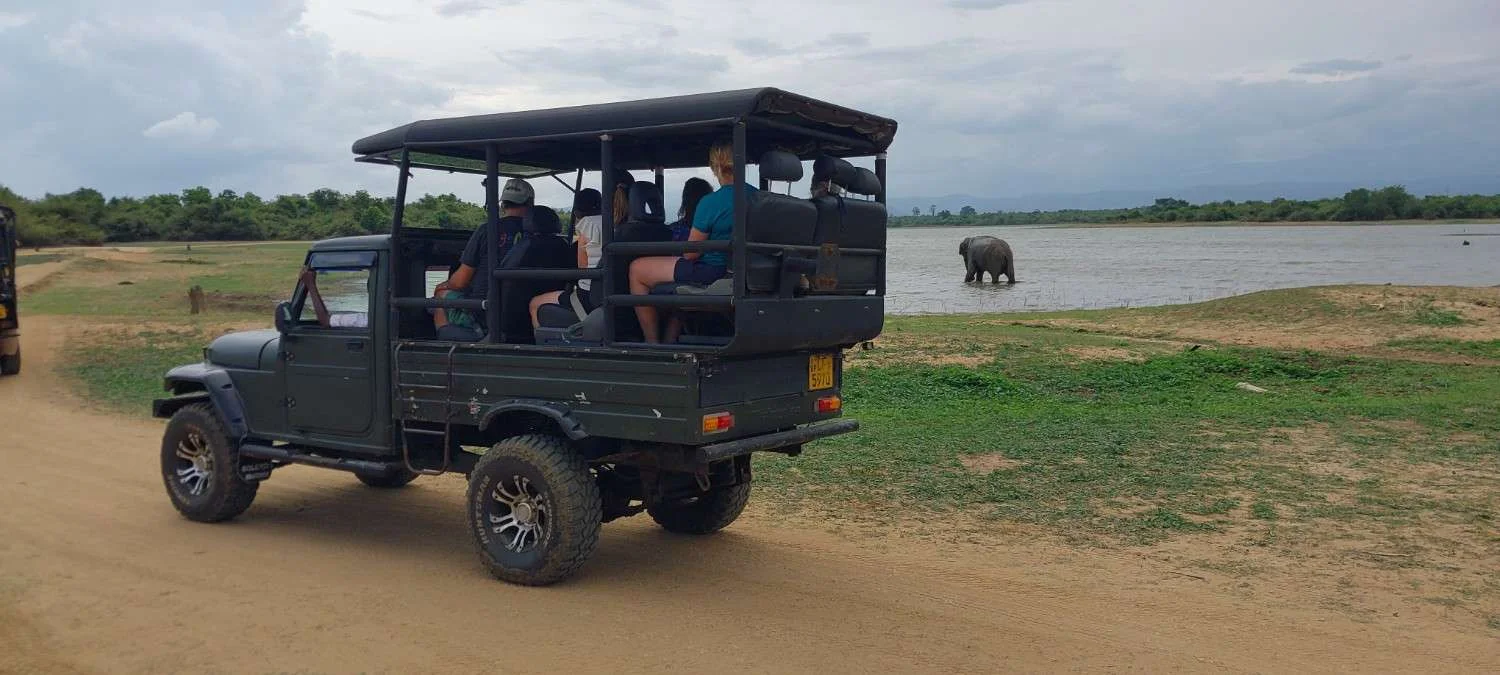
Deciding when to visit Udawalawe National Park can make a significant difference in your wildlife experience. While the park is a year-round destination, certain months offer better opportunities for specific sightings.
The Dry Season (May to September)
The dry season is widely considered the best time to visit Udawalawe for elephant sightings. As water sources inside the jungle dry up, majestic herds of elephants congregate around the Udawalawe reservoir. It is not uncommon to see groups of 50 or more elephants gathering to drink and bathe. The thinning vegetation also makes it easier to spot other mammals like deer, wild boar, and even the elusive leopard.
The Wet Season (October to April)
While the rains bring a lush, vibrant green to the park, they also disperse the wildlife as water becomes more abundant. However, the wet season is the peak time for bird watching in Udawalawe. Many migratory species arrive during this period, joining the park's resident bird population. The reservoir becomes a hub for Painted Storks, Cormorants, and various species of Kingfishers.
Best Time of Day
Regardless of the season, the best times of day for a safari are early morning (6:00 AM) and late afternoon (3:00 PM). These are the periods when animals are most active, moving to feed or find water. The golden light during these hours also provides the perfect conditions for wildlife photography.
"There is nothing quite like witnessing the sunrise over the Udawalawe marshes as the first calls of the jungle fowl signal the start of a new day."
Summary
- For Elephants: June to September is peak.
- For Birds: November to March is ideal.
- For Photography: Dawn and Dusk offer the best light.
Ready to experience the magic for yourself? Book your Udawalawe Safari Package with Walawa Safari today and let our expert guides show you the wonders of the wild.